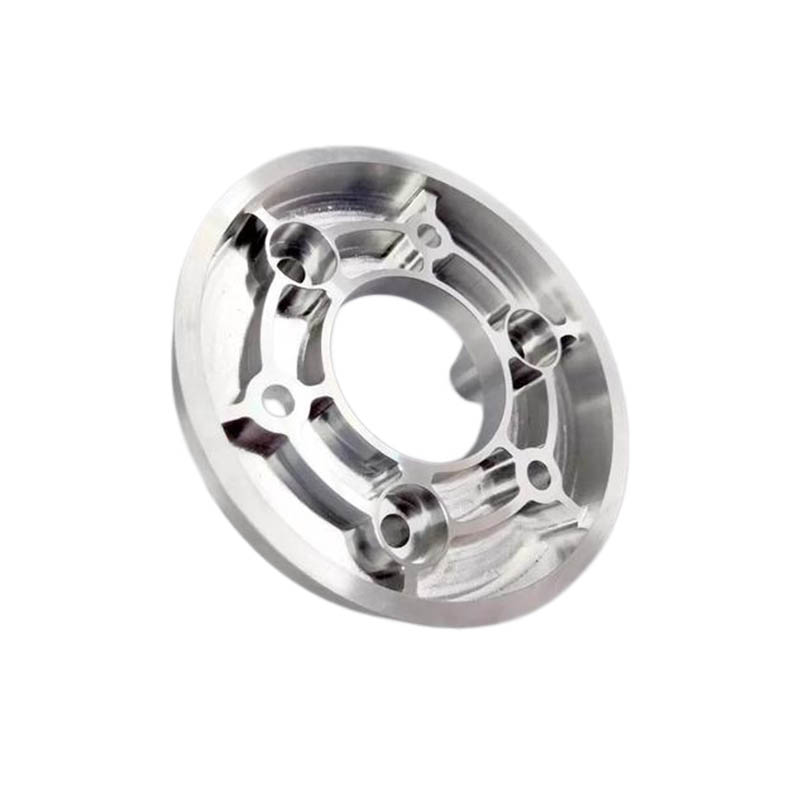

In the medical device field, precision machining of aluminum alloy parts is widely used due to its advantages such as light weight, good corrosion resistance, and ease of processing.
Cold treatment, as an auxiliary method, is also used in the heat treatment of certain precision copper alloy parts.
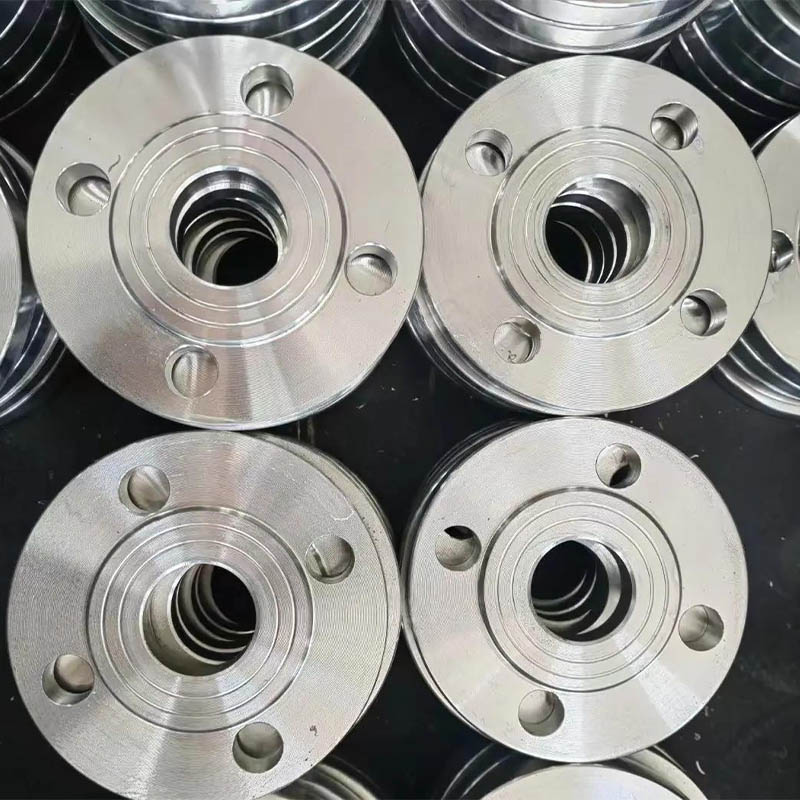
In the CNC milling of stainless steel flanges, the selection of tool material is a key factor in meeting the challenges of high-hardness cutting.
When installing the machine tool, a precision level and standard square must be used to adjust the main bed to be level, ensuring that the horizontal changes of the main bed throughout its entire stroke meet the requirements.
Quality inspection after precision copper alloy parts machining is a key step in ensuring that the product meets design requirements, has stable performance, and long-term reliability.
When CNC milling stainless steel flanges, cantilever clamping or single-point support should be avoided, as these methods can easily cause elastic deformation of the workpiece under cutting force.